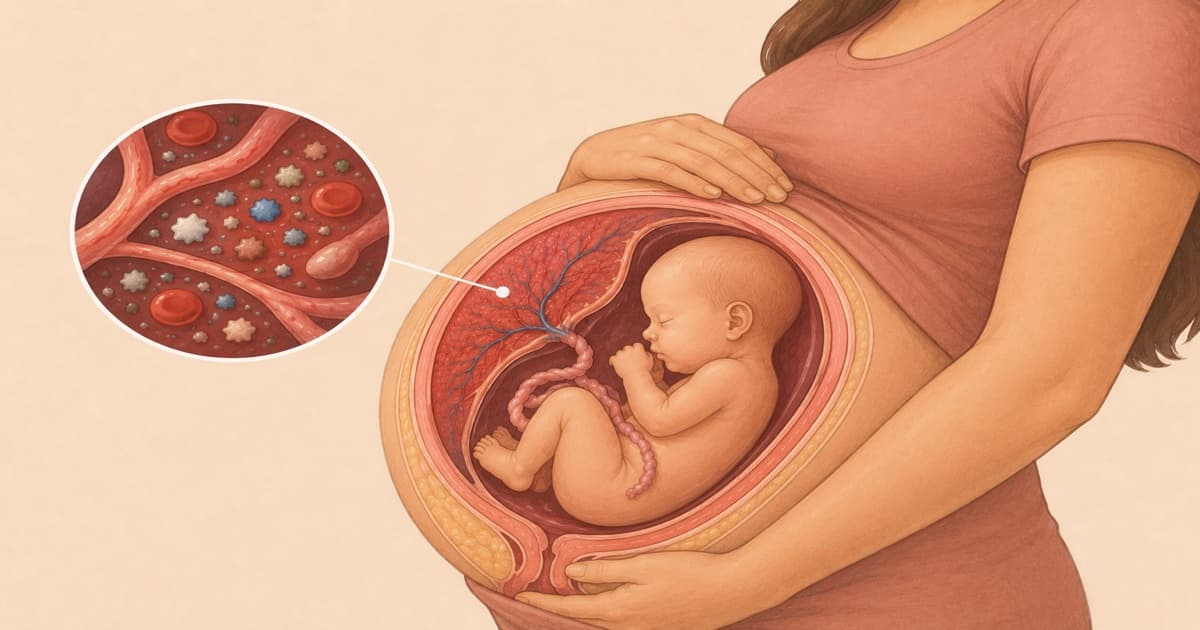
Microplastics and Pregnancy: What the Research Shows
Microplastics have been detected in human placenta, amniotic fluid, and meconium — fetal exposure is confirmed. Here is what the evidence shows and what pregnant women can do to reduce it.
Science-backed articles on exposure, research, and reducing your body burden.
Every figure is verified against the original peer-reviewed study. Where evidence is uncertain, that uncertainty is stated. Articles cover the major exposure pathways — drinking water, food preparation, diet, air, and clothing — and what the research shows about health effects.

Microplastics have been detected in human placenta, amniotic fluid, and meconium — fetal exposure is confirmed. Here is what the evidence shows and what pregnant women can do to reduce it.

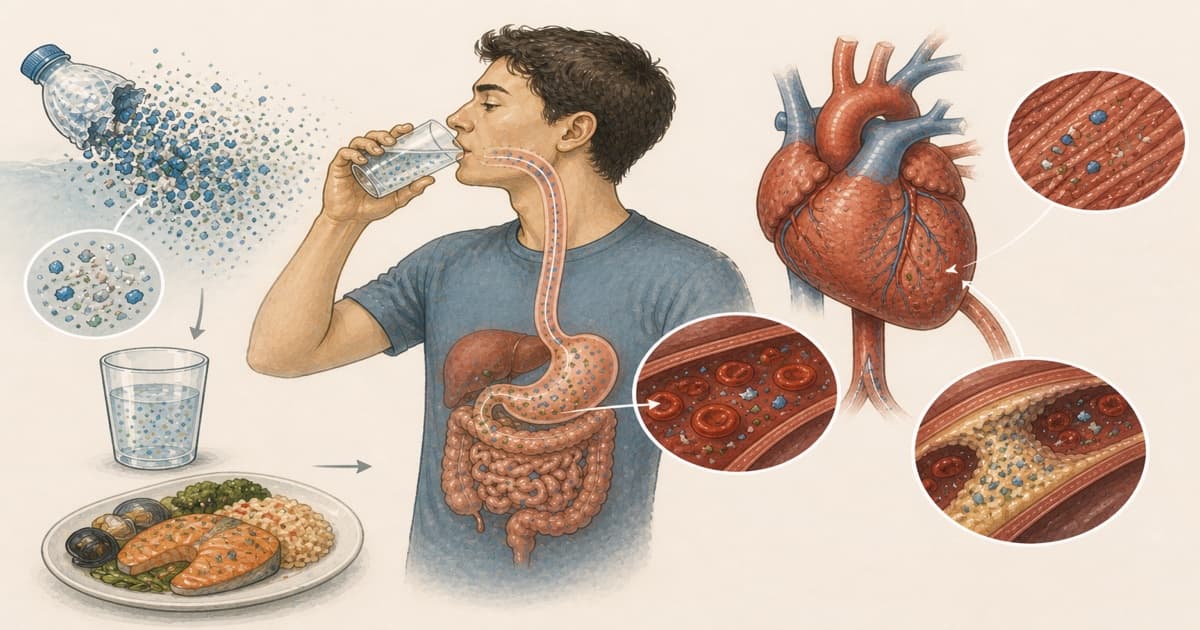
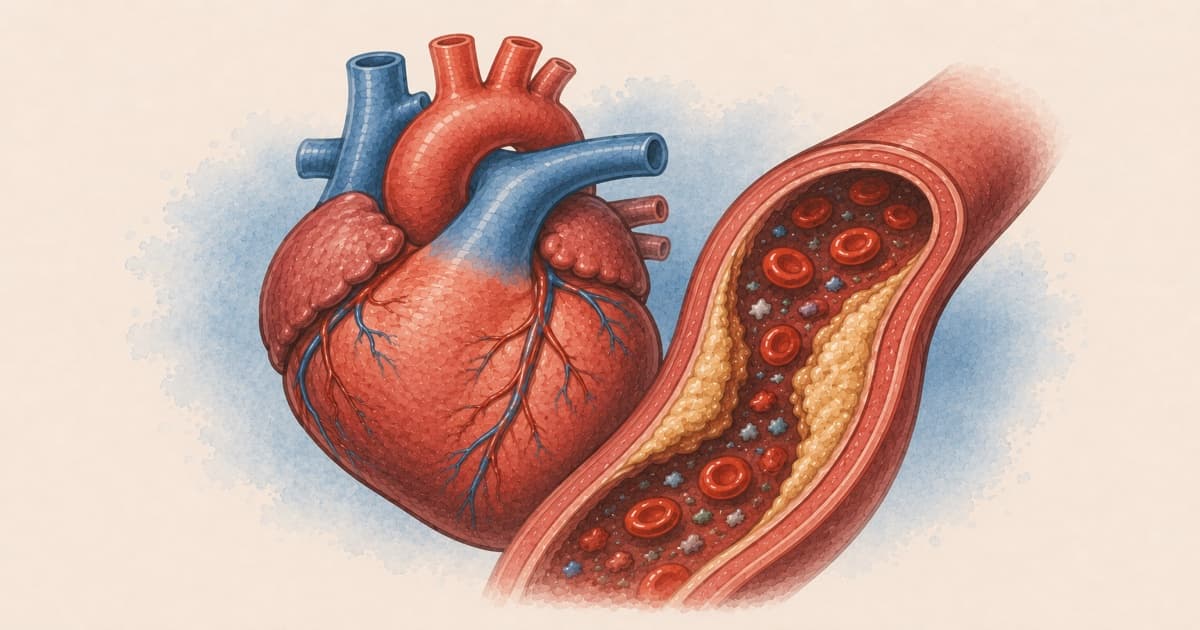
A 2024 New England Journal of Medicine study found people with microplastics in their arterial plaque had a 4.5× higher risk of heart attack, stroke, or death. Here is what the research shows.

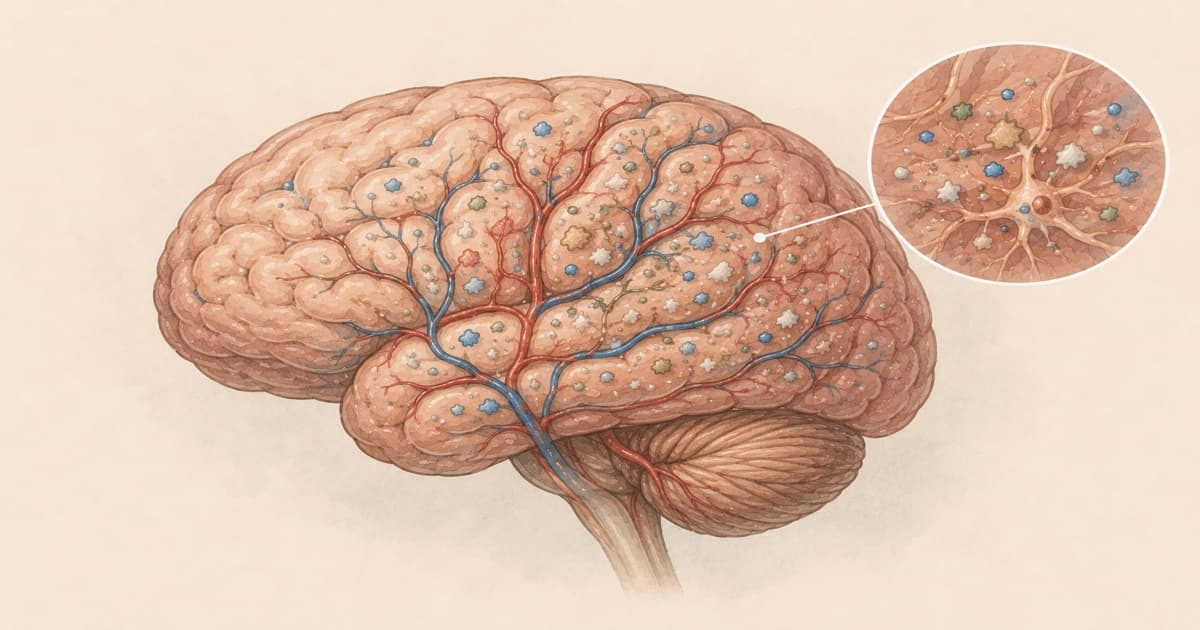
Microplastics have been found in 100% of human brain samples tested — at higher concentrations than in the liver or kidney. Here is what the science shows about how they get there.

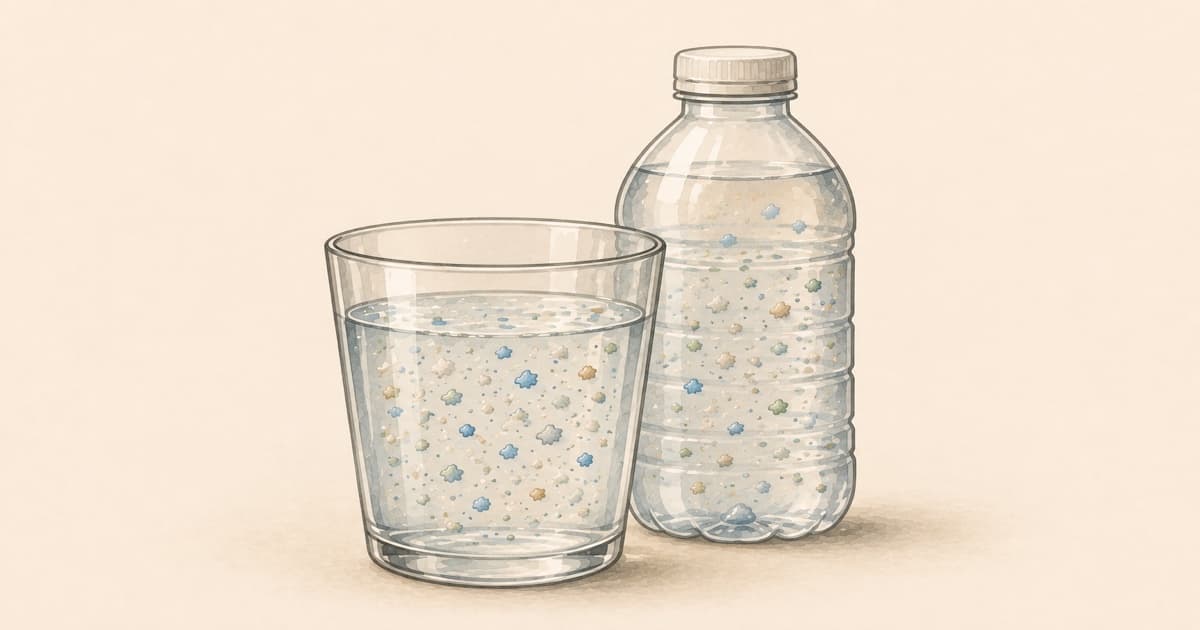
Tap water is not microplastic-free — but it contains far fewer particles than bottled water. Here's what the research shows about contamination levels, sources, and how to reduce exposure.

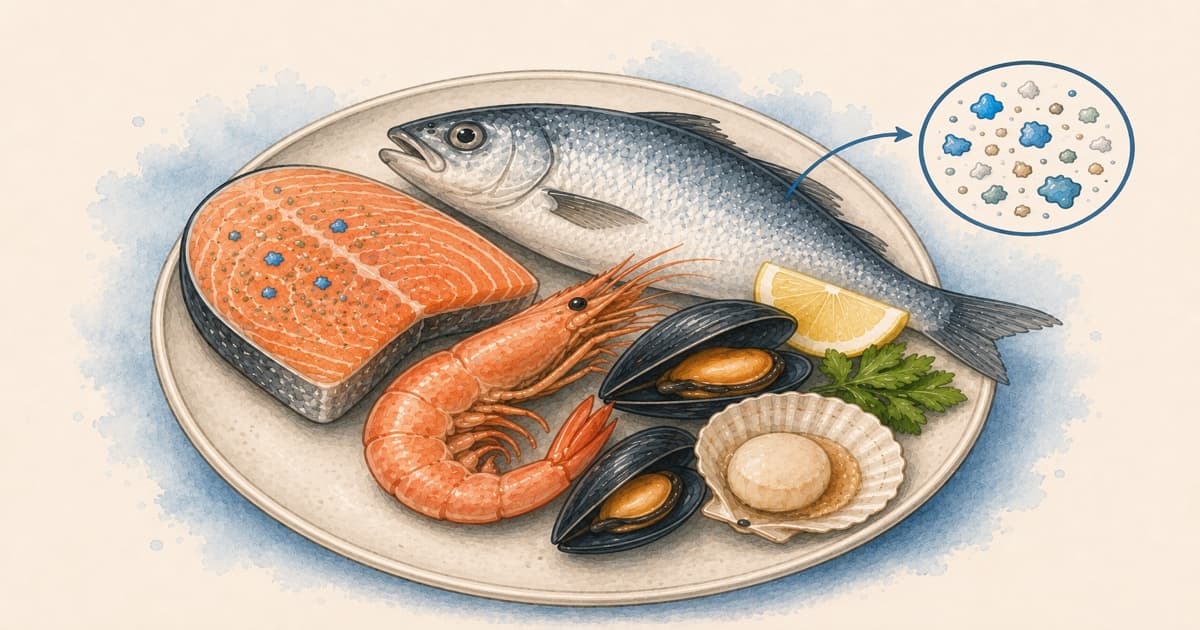
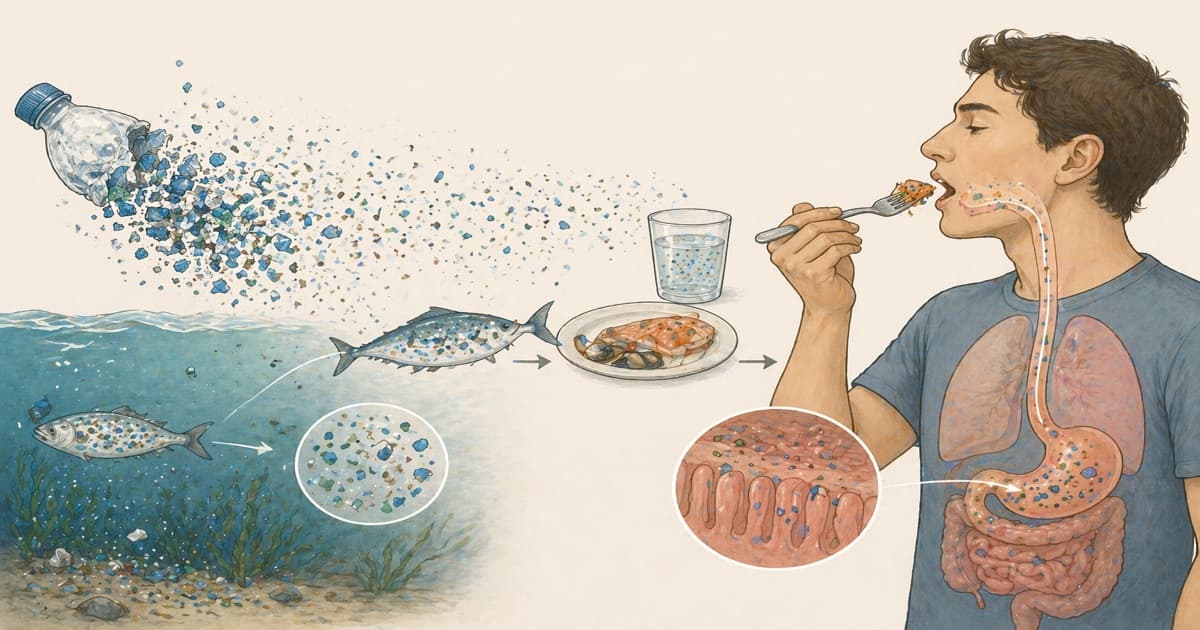
Shellfish eaters consume significantly more microplastics than fish eaters — because shellfish are eaten whole, digestive tract included. Here is what the research shows by seafood type.

Microplastics have been found in human blood, lungs, brain, arterial plaques, and placenta. A 2024 NEJM study linked them to a 4.5x higher cardiovascular risk. Here is what the science currently shows.

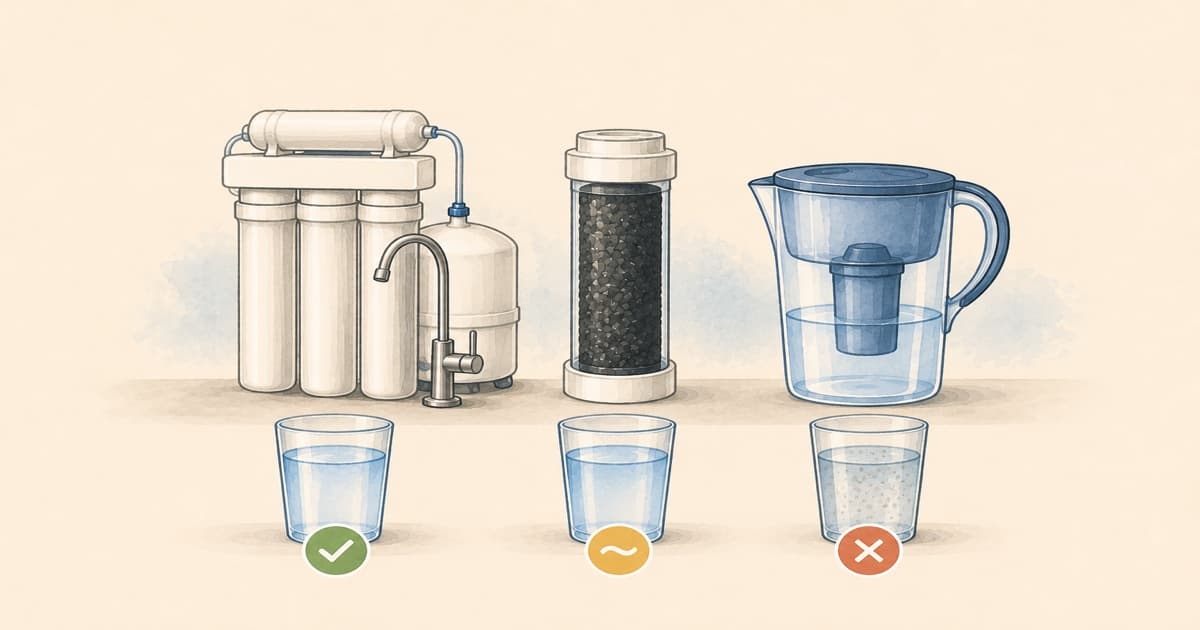
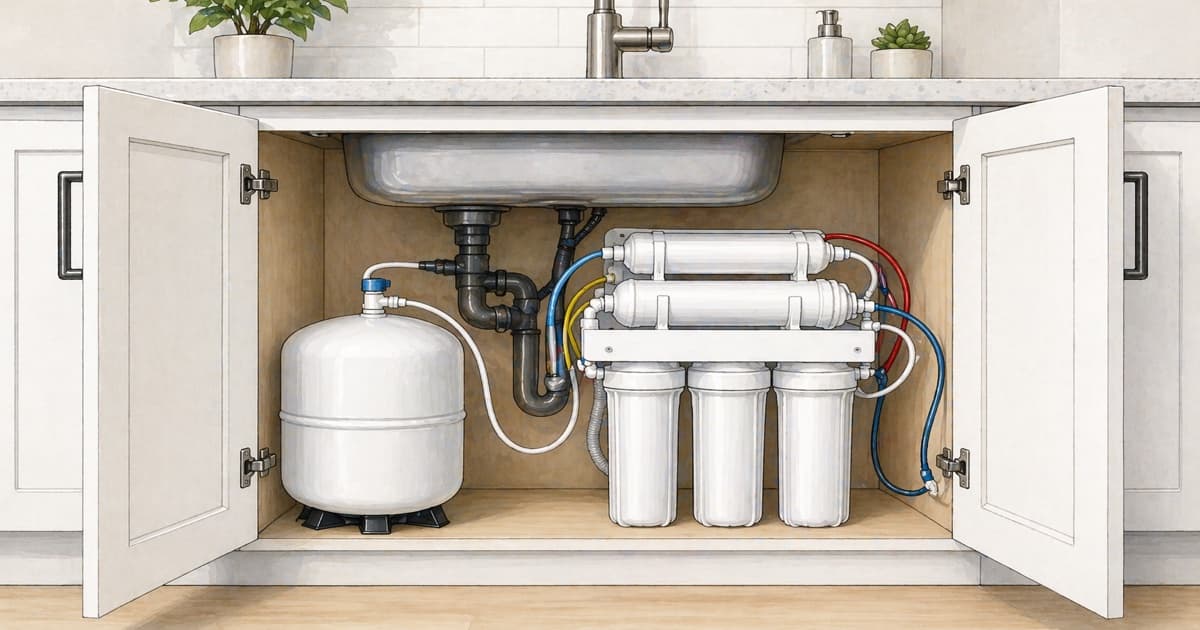
Not all water filters remove microplastics equally. We ranked every major filter type by peer-reviewed removal efficiency — from reverse osmosis (>99%) to pitcher filters (inconsistent).

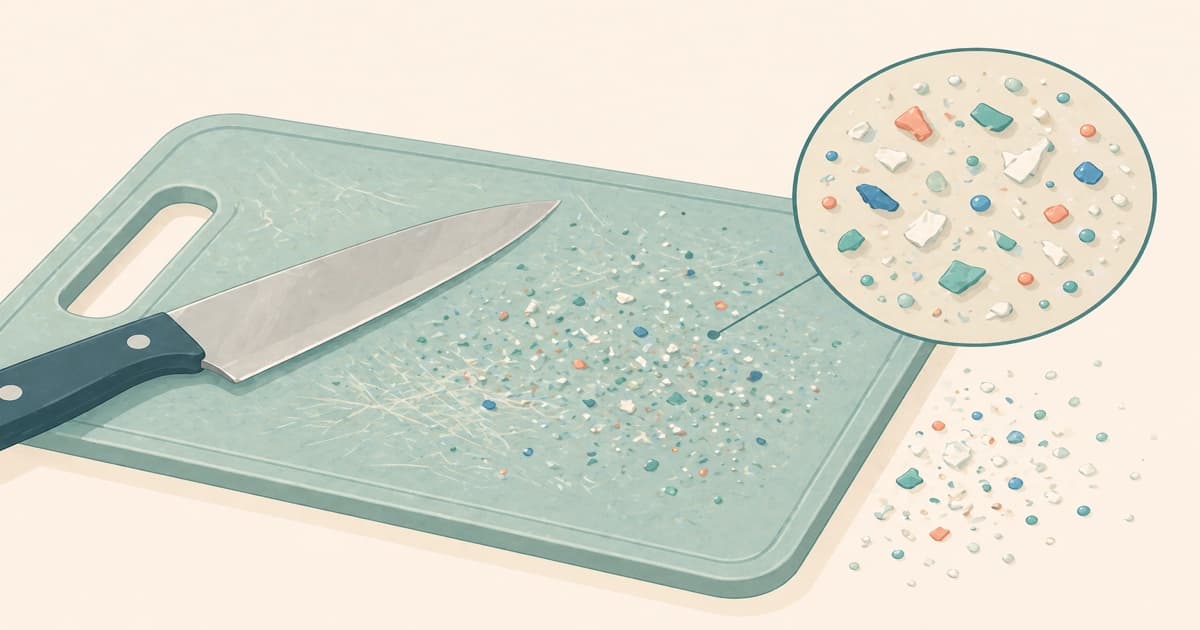
A single plastic cutting board can shed up to 50 grams of microplastics into your food per year. Each knife stroke releases 100–300 particles directly onto your food.

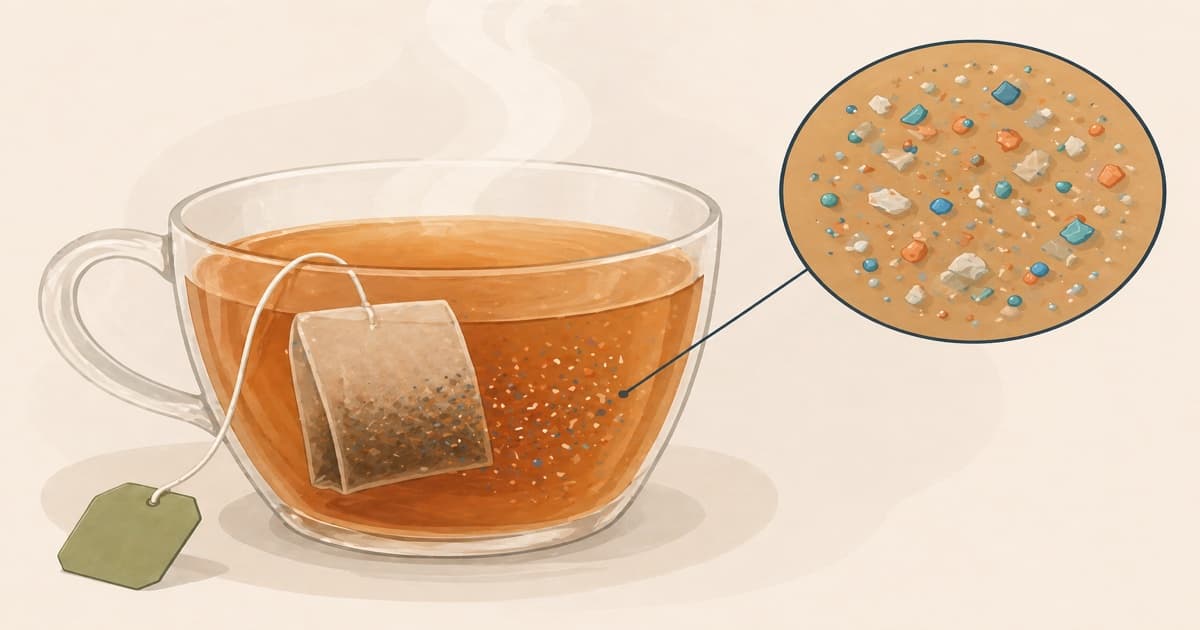
A single plastic or nylon tea bag releases up to 11.6 billion microplastic particles per cup. For daily tea drinkers, this is one of the largest controllable exposure sources.

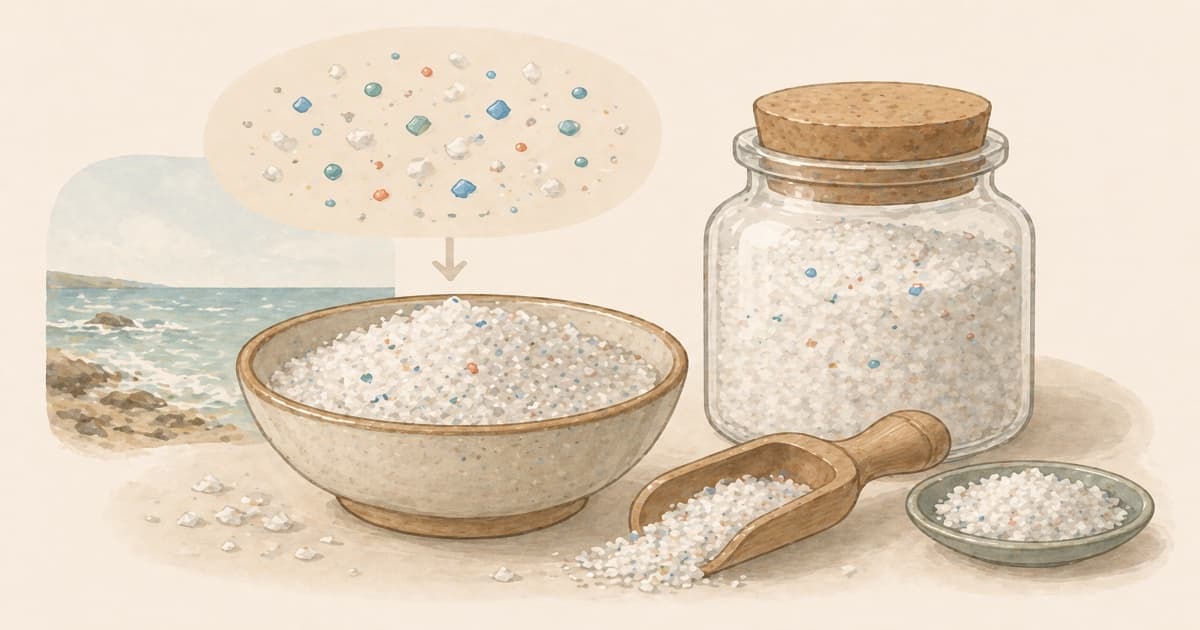
90% of commercial salt brands contain microplastics — and sea salt is the most contaminated type. Here's what a global study of 39 brands found, and what to use instead.

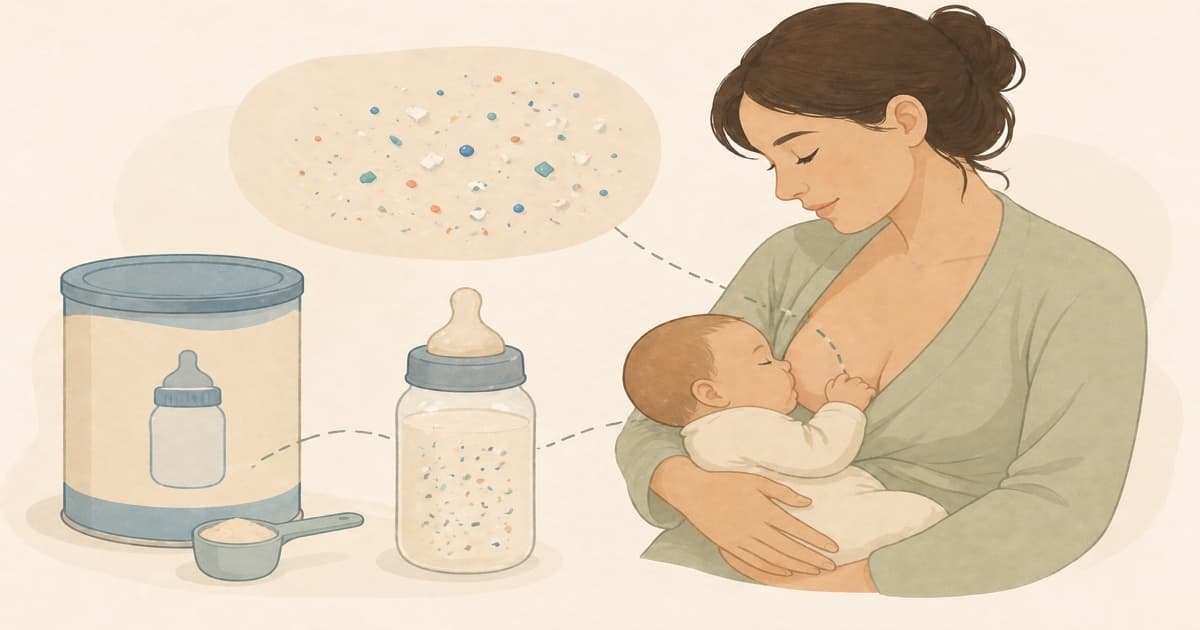
Plastic baby bottles can release up to 16 million microplastic particles per litre during formula preparation. Microplastics have also been detected in breast milk and placenta.
Silicone kitchen items are widely promoted as a safer plastic alternative. The picture is more nuanced than the marketing suggests — here's what the research actually shows.

Reverse osmosis is among the most effective water filtration methods for microplastics, achieving removal rates above 99%. Here's what the peer-reviewed evidence shows — and how it compares to other filters.

Bottled water is sold on the premise of purity. Multiple peer-reviewed studies document a consistent finding: it contains significantly more microplastics than filtered tap water.

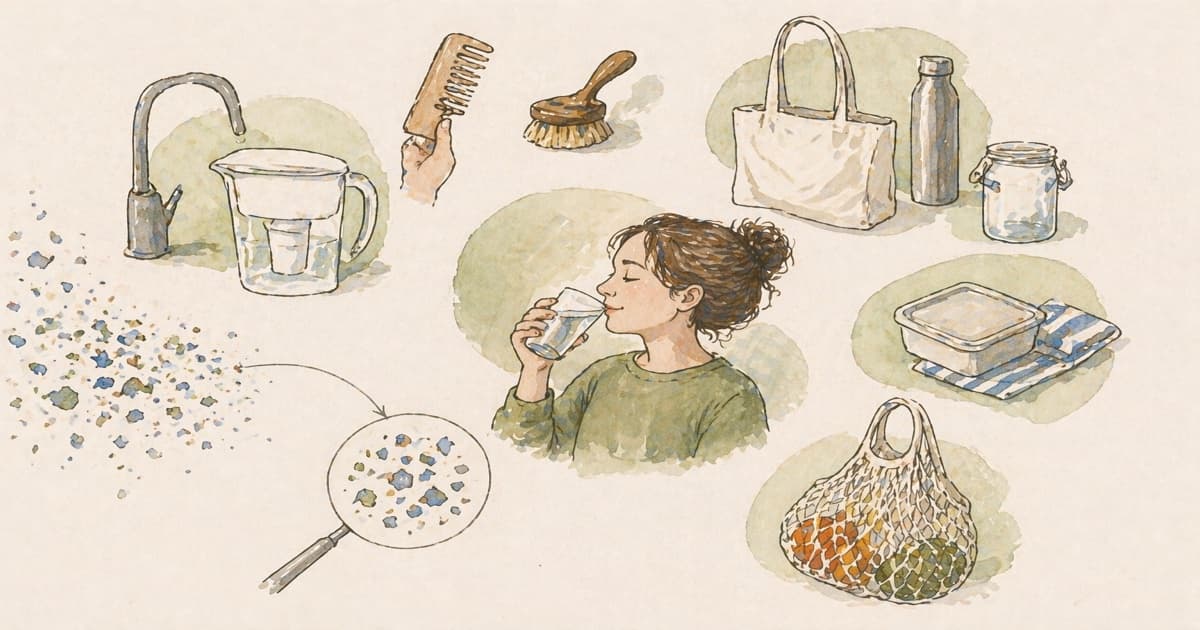
You cannot eliminate microplastic exposure entirely. But the research shows that a handful of specific changes can reduce your intake by tens of thousands of particles per week.

Microplastics have been found in human lungs, blood, and arterial plaque. How much you're exposed to depends almost entirely on a handful of daily habits — and the range between individuals is enormous.